


01
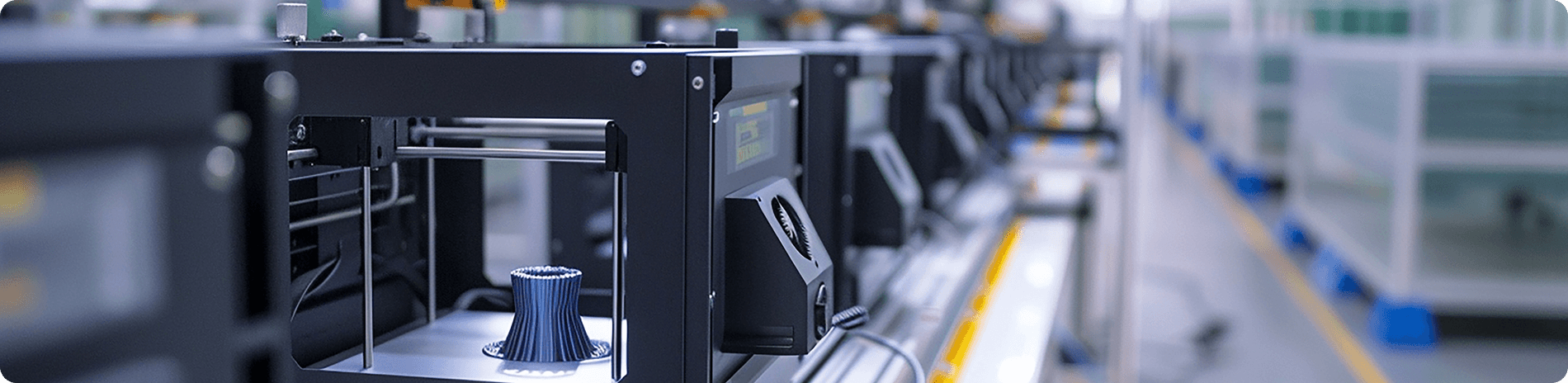
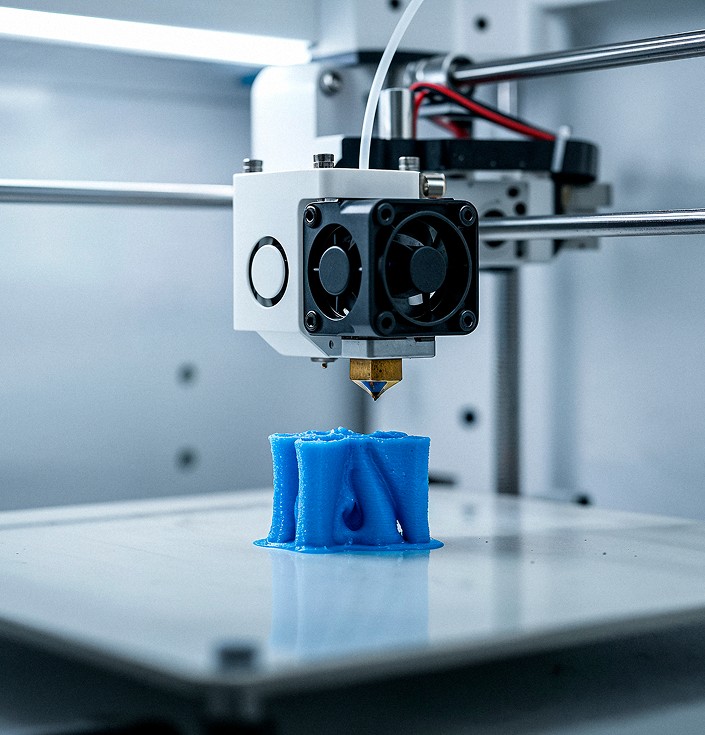
Injection Molding
We provide precision injection molding services designed for engineering teams that require repeatability, dimensional accuracy, and long-term production stability. Our disciplined process control ensures that once a part is approved, it performs consistently across every production run.
Best For:
Production-ready components requiring tight tolerances, repeatable quality, and stable long-term supply.
Materials:
PP, HDPE, ABS, PC, Nylon, glass-filled resins, and engineered thermoplastics selected based on application requirements, durability needs, and cost-performance balance.
Process Approach:
Documented process parameters, scientific molding principles, first article inspection, and controlled setup validation before full production release.
Benefits:
Repeatable, documented manufacturing conditions
Reduced variation across runs
Realistic lead times and transparent communication
Long-term production reliability
02
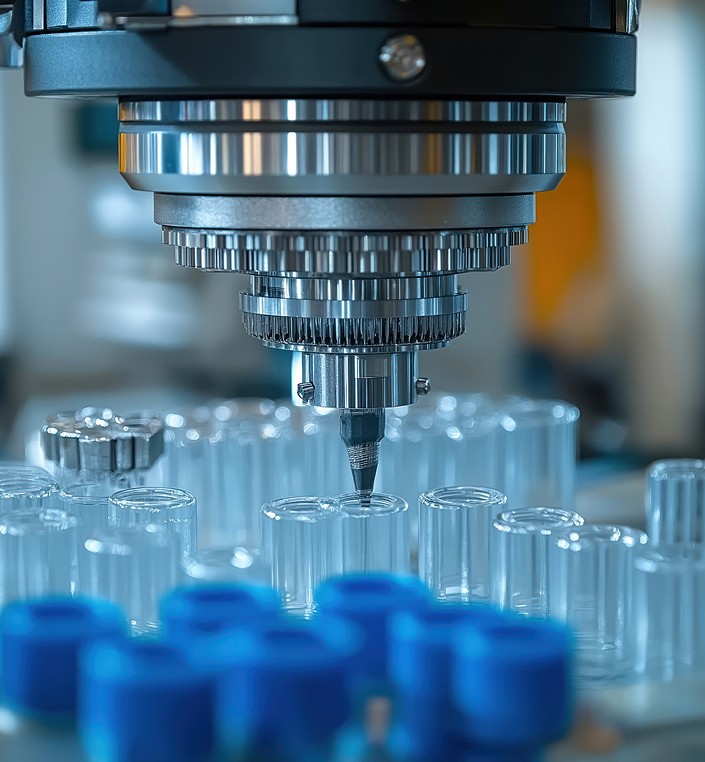
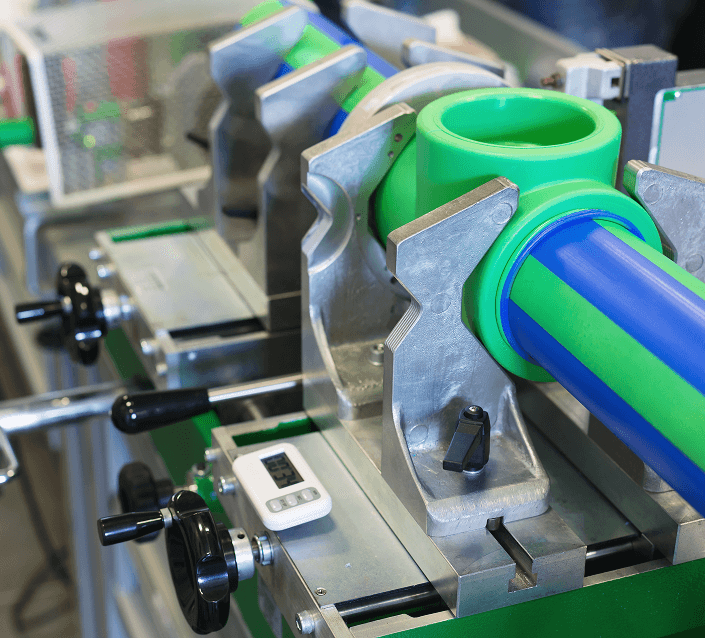
Overmolding
Our overmolding capabilities allow multiple materials to be combined into a single integrated component, improving performance, durability, and user experience. We approach overmolding projects with careful material compatibility analysis and structured tooling validation to minimize risk.
Best For:
Products requiring soft-touch surfaces, vibration reduction, improved grip, sealing features, or integrated multi-material assemblies.
Materials:
Rigid substrates paired with TPE, TPU, or other compatible elastomers depending on functional and environmental requirements.
Process Approach:
Adhesion testing, compatibility validation, sequential molding control, and structured mold design review to ensure bond integrity and durability.
Benefits:
Strong material bonding and durability
Improved product functionality
Reduced assembly steps
Cleaner finished components with integrated design

03
Prototyping
We provide precision injection molding services designed for engineering teams that require repeatability, dimensional accuracy, and long-term production stability. Our disciplined process control ensures that once a part is approved, it performs consistently across every production run.
Best For:
New product development, design validation, material testing, and bridge production prior to full-scale manufacturing.
Materials:
Rapid tooling options, short production runs, material testing support, and iterative refinements based on performance feedback.
Process Approach:
Early manufacturability review (DFM), tolerance analysis, structured design feedback, and controlled prototype runs with documented observations.
Benefits:
Faster validation cycles
Reduced risk before production investment
Clear engineering feedback
Structured path from prototype to production
(Contact)
Discuss Your Manufacturing Needs


Contact Us


Terms & Condition
Privacy Policy